How to Choose a Memorial Vessel Size That Feels Right for Your Family
August 3, 2026
For families working with funeral homes in Albuquerque, NM, the right memorial vessel size depends less on appearance than on what the family plans to do with it. Some families want to keep everything together at home. Others plan for a niche, burial, several keepsakes, or another personal form of remembrance.
There is no single choice that feels right for every family. Taking a little time to consider the purpose first can prevent a difficult change of plans after a design has already been selected.
Start with the Purpose, Not the Vessel’s Appearance
Begin with one practical question: Where will this memorial item be in the months and years ahead? A vessel intended for a mantel, for example, may need to suit the available surface and the household’s daily routine. One intended for a cemetery or columbarium needs to work with that location’s dimensions and placement rules.
Keeping all remains together calls for a primary vessel with sufficient capacity. If the family expects to share small portions among relatives, the primary vessel may still be important, but its role is different. It becomes the central place of remembrance while smaller pieces serve other family members.
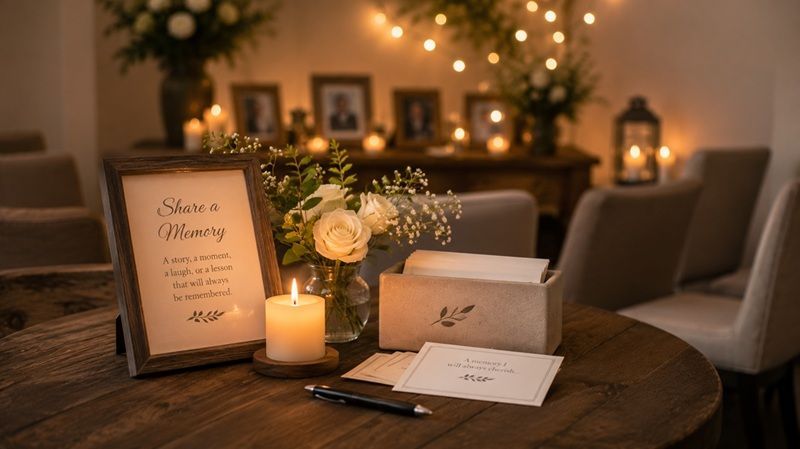
A memorial can also be part of a larger tribute. Families planning an intimate gathering may find useful ideas in this guide to planning a small family memorial that still feels meaningful.
Consider Whether One Vessel or Several Memorial Pieces Fits Your Family
A single primary vessel can offer a sense of togetherness. It gives the family one shared place to visit, display, or place permanently. This can be especially meaningful when close relatives live nearby and agree on where it belongs.
Several smaller memorial pieces can be a caring choice when adult children, siblings, or other loved ones live in different places. Each person may appreciate having a private remembrance, without needing to decide who keeps the central vessel.
There are trade-offs to discuss honestly.
- One primary vessel: This may feel simpler and more unified, but it requires agreement about who will care for it and where it will remain.
- A primary vessel plus keepsakes: This preserves a shared focal point while allowing selected relatives to have something personal. It takes more planning because families need to decide who would like one.
- Only smaller memorial pieces: This can work when there is no natural central home or final placement. Still, some relatives may later wish there had been one shared place for remembrance.
Do not assume every relative wants the same thing. A quiet conversation now is usually kinder than trying to solve hurt feelings later.
Check the Space Where the Memorial Vessel Will Be Kept or Placed
Before choosing a design, confirm the physical setting. Size is not only about capacity. It also affects whether the piece fits safely, looks balanced, and can be moved when needed.
- A display surface:
Measure the width and depth of a mantel, shelf, cabinet, or table. Consider nearby framed photos, candles, or other belongings that may share the space.
- A private storage area: If the item will be kept in a cabinet or closet, check the opening and shelf height. A tall or wide design may not fit as expected.
- A columbarium niche: Ask for the interior measurements before selecting a vessel. The opening may look roomy while the usable space inside is more limited.
- Cemetery placement: Ask whether the cemetery requires a burial container or has size requirements for the intended location. Confirm this before choosing the outer design.
- Travel or relocation: A heavy, fragile, or unusually shaped piece may be harder to move if a family member relocates or the household changes.
French Funerals & Cremations can help families identify the questions to ask before making a final selection.
Balance Capacity with Comfort and Design Preferences
Capacity matters, but so does how the memorial vessel feels in the family’s hands and home. Materials such as metal, wood, ceramic, stone, and biodegradable options can differ greatly in weight, texture, durability, and appearance.
A larger piece is not automatically more meaningful, and a smaller one is not less dignified. The best choice is one that meets the intended purpose without creating a practical burden. If a relative may need to carry or relocate it, weight and shape deserve as much attention as visual style.
Ask the funeral provider which options are appropriate for your intended use. It is also wise to ask whether a chosen design has enough capacity for the family’s plans, especially if keepsake pieces will be part of the decision.
Talk Through Family Expectations Before Making the Final Choice
Different preferences are normal. One person may want a traditional display piece, while another prefers a modest design that can be placed in a niche. Keep the conversation focused on honoring the person who died, not on winning a style debate.
- Name the intended purpose. Decide whether the family wants a shared focal point, individual remembrances, a permanent placement, or a combination.
- Ask who expects a keepsake. Include close relatives early. This avoids overlooking someone who may quietly value a personal memorial item.
- Confirm the location.
Measure the space or obtain the niche and cemetery information before narrowing choices.
- Choose what supports the tribute. Let the person’s character, family traditions, and practical needs guide the final design.
How to Weigh the Options Together
A clear order makes this decision easier: confirm the intended use, identify placement limits, discuss family wishes, then review the available choices with a provider. That approach keeps a meaningful decision from becoming rushed or overly complicated.
If you would value gentle guidance, French Funerals & Cremations can talk through available options and the questions that apply to your plans. Families comparing funeral homes in Albuquerque, NM can call (505) 823-9400 to begin that conversation.